A multi agent workflow is a setup where several AI agents each own a piece of a job and hand work to each other. The honest answer for a small business: you almost certainly should not run one. Not because the idea is fake, but because you become the part that carries messages between them, and nothing in the setup is built to stop that.
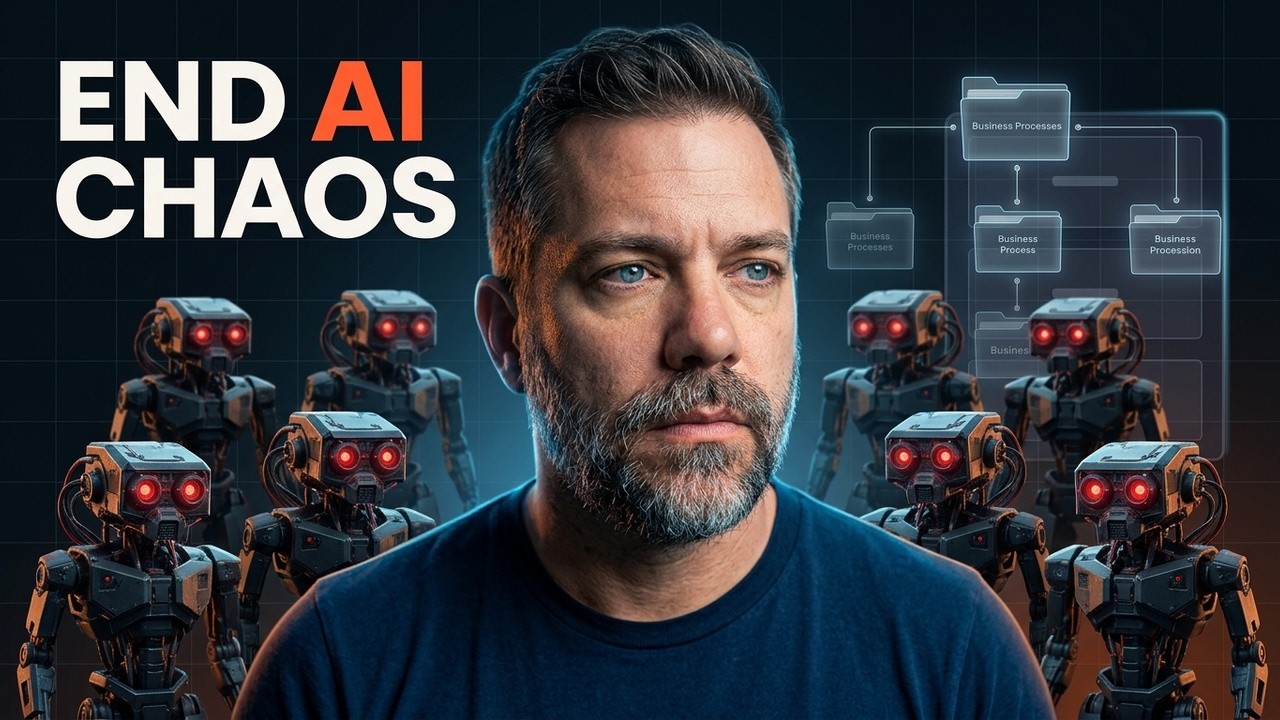
Almost everything ranking for this topic is written by a developer building one, or by a platform selling you one. This post is the other side: what it looks like 3 weeks in, from the people who already bought it.
What is a multi agent workflow, in plain English?
It is a group of AI agents that split up a job. One writes, one researches, one checks, one delivers. On a slide it looks like a team. In a small business it usually looks like this instead:
You explain the same thing to agent 1. Then you explain it again to agent 2. Then agent 3 asks you who the client is.
Nothing ever syncs. So you become the errand boy for software you paid for.
That is not a skill problem. Each agent starts with its own blank memory, so the only thing holding the job together is you, retyping context. GitHub's own engineering team named the same failure pattern in multi-agent workflows often fail, and their fix is more engineering. That is a fine answer if you have engineers. Most agency owners do not.
Does a multi agent workflow actually work?
Sometimes, and that is the part nobody selling one will say straight.
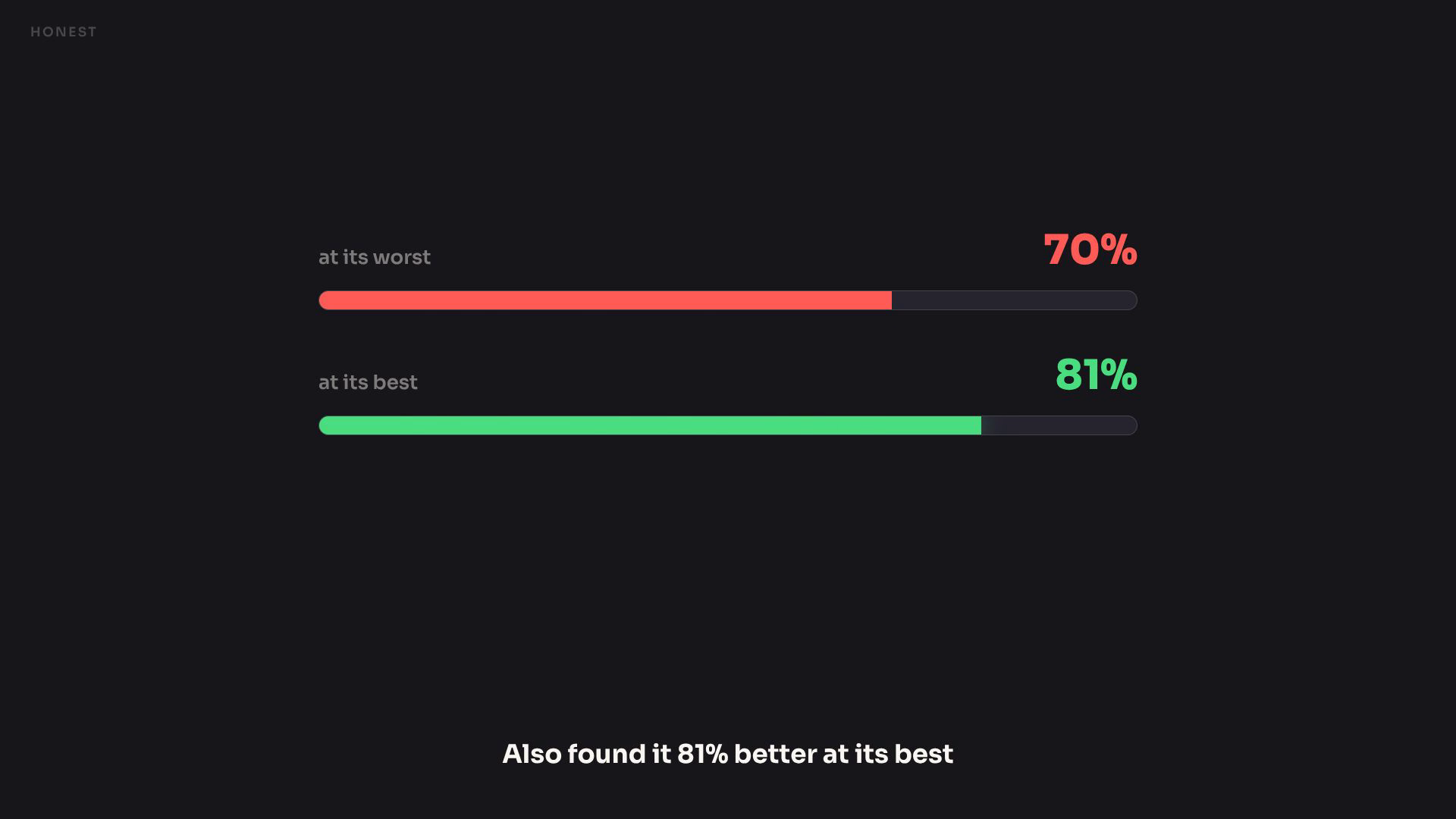
The study people quote both ways measured 180 setups. At its worst, multi agent came out 70% worse. At its best, it came out 81% better. The same research found many times more errors when the agents did not coordinate, and a rough rule fell out of it: if 1 agent is already doing the job reasonably well, adding more agents makes it worse.
The company that makes the model ships a multi agent system of their own. So the claim is not "multi agent never works."
The claim is that almost nobody your size has the kind of job it works on. You need a task big enough to split, a way for the pieces to share what they know, and somebody to maintain that. If you are 1 person or 5 people, you have none of those, and the Claude Code session in front of you can already do the work if it can find your files.
What do people actually say after they build one?
I went into the community where people who believe in this go when it breaks, and I read 90 posts.
One person had turned everything into an agent: workflow, skill, task, deliverable. Another wrote that he finds the idea of agents "more and more ridiculous." Someone else was running 1 workspace for their entire business, 7.59GB and 98,537 items inside, in 90 days.
The one that stuck with me was an agency owner. His words, in order, across his own thread:
It worked really great for the first few weeks. Then he started to notice a deterioration. Previous templates were subtly changing over time. He felt like he was correcting things more than he should be, and his productivity was getting impacted.
Then: "the integrity of my framework has deteriorated."
He built it himself. It worked. Now he is scared to touch his own system.
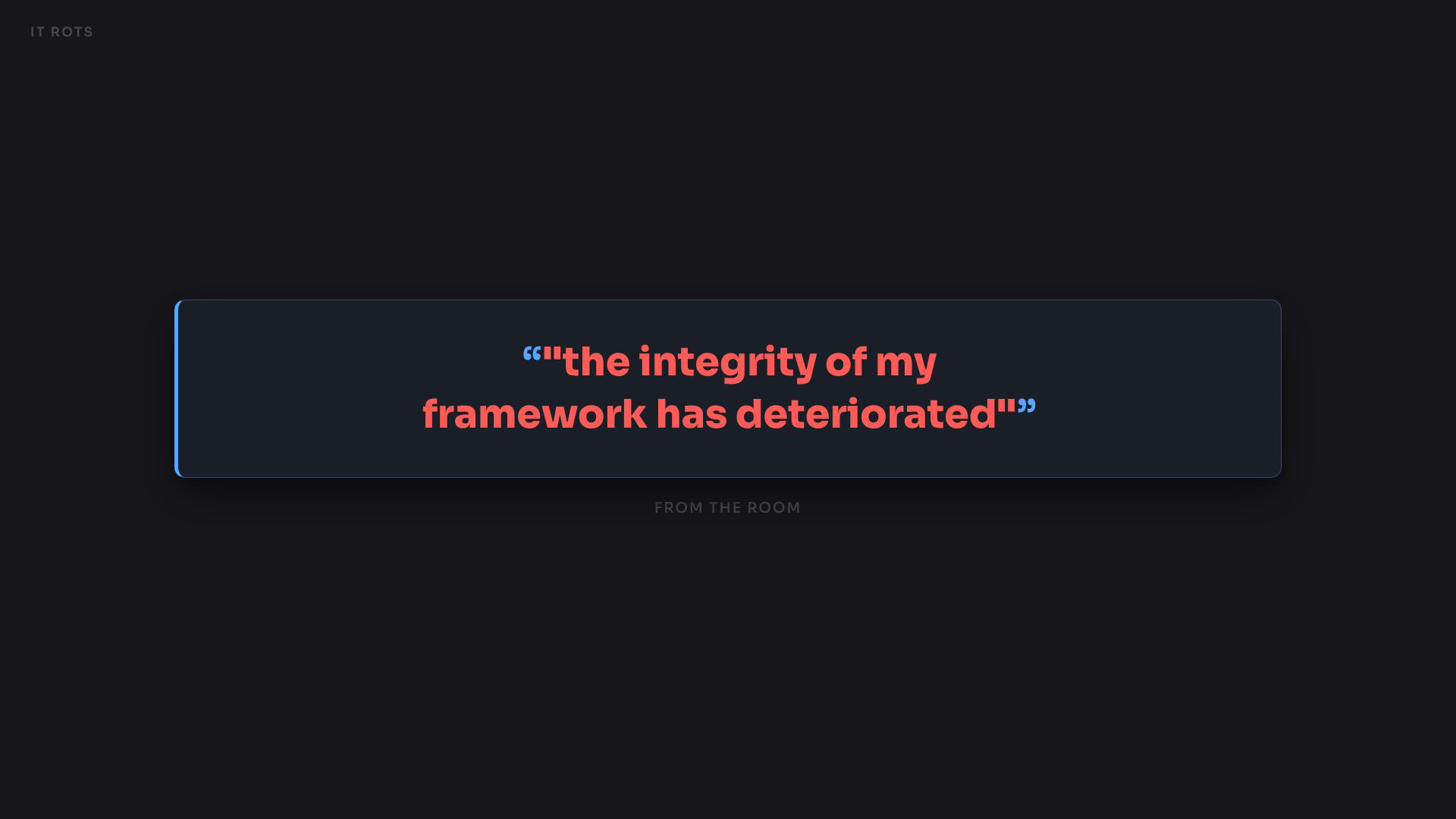
That is the beat nobody warns you about. It is not that it does not work. It works for about 3 weeks. Watch that section at 4:01 in the video.
Is a single agent better than a multi agent workflow?
For a business under about 10 people, yes, almost always.
Not because 1 is a magic number, but because the thing doing the work was never the bottleneck. Organization was. A single agent that can find the right file beats 7 agents guessing, and it costs less, breaks less, and you can actually tell what it did.
Here is the version I run. It is a desk, a map, and a filing cabinet.
- 1 worker. I call him Fred. He is the only thing doing the job.
- A map, taped in front of him. 1 page. It says what lives where.
- A filing cabinet. Plain folders. Plain text files.
I ask where we stand on a project. He checks the map, opens 1 drawer, brings back 1 folder, and answers. I tell him to put it back and go work on something else. He checks the map again.
He checks the map every single time. That map is the Claude Code second brain, built off the mess you have and not a template. Point Cowork at the same folder with 1 line and it checks the same map. That repetition is the whole mechanism, and it is why nothing drifts.
This is Jake Van Clief's ICM Folder System, and the underlying method is documented in the Interpretable Context Methodology paper. The short version: your folder structure IS the architecture. You do not need agents when your files are organized well enough to be found.
But does it rot too?
Yes. Mine rots.
The first file anybody reads in my whole business still said I sold a brand I killed on August 9. Nothing broke. Nothing turned red. No error. It just quietly told every new session the wrong thing about my own business.
Rot is not a bug in the system. Rot is what happens to every system. The difference is whether you have something that catches it.
Think of it like a Toyota Camry. They are known to last forever, but you still check the fluids, change the oil, and air up the tires. Or it rots. A folder system is no different, and the honest sales pitch for one includes that sentence.
So what should you do instead?
Stop adding agents and start organizing your business so AI can read it. That is the whole move.
If you want the mechanics, the simple breakdown of the folder system is the place to start, and the full video walkthrough shows the desk, the map, and the cabinet running live.
It gets worse the moment those agents touch client accounts. Run 7 of them against 20 clients and you have 140 connections to keep straight, which is exactly what happens when people connect GHL to Claude before they have anything keeping track.
And if this sounds familiar because your CRM does the same thing to you, that is the same disease in a different coat. You rent the tool, the tool holds your data, and you become the integration layer. That is worth owning outright too.
You are not stupid for buying into a multi agent workflow. There are at least 90 other people in that room with you, and until recently I was one of them. You are just carrying messages for software you already paid for, and 1 worker with a map does not need you to.